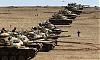
According to diplomatic sources, #Russia/n President Vladimir #Putin is working to arrange a meeting between #Turkish President Recep Tayyip #Erdogan and #Syria/n President Bashar Al-#Assad
Se där, finansiärer av terroristerna i Syrien börjar avslöjas. UK häromdagen, nu ett stort företag. Inga socialt missanpassade utan folk med stora resurser, visar det sig.
Och hur skulle det kunna vara på annat sätt. Krig slukar stålar.
Citat:
Former LafargeHolcim CEO charged in terror financing allegations
Former LafargeHolcim CEO Eric Olsen was indicted and place under judicial supervision late Thursday over allegations that the Swiss-French cement-maker indirectly financed jihadists in Syria, sources close to the case said.
RUSSIAN MILITARY WANTS TO HELP TRUMP DESTROY ISIS IN IRAQ By Tom O'Connor
Russia has offered to assist the U.S. in the final stages of the fight against the Islamic State militant group (ISIS) in Iraq after Moscow declared total victory against the jihadis in neighboring Syria.
Russia has long questioned the effectiveness and intentions of U.S. forces in the Middle East, especially in the fight against ISIS, which both Washington and Moscow have vowed to destroy. With the militants’ self-proclaimed caliphate collapsing, Russian First Deputy Defense Minister Valery Gerasimov said Wednesday he stood ready to assist the U.S. in Iraq after the two countries waged separate, at times competing, campaigns in Syria, where he accused the U.S. and its coalition allies of focusing on building bases rather than putting an end to the conflict.
Related: U.S. military will stay in Syria after ISIS is defeated, threatening new conflict with Russia and Iran
Keep Up With This Story And More By Subscribing Now
“The attention of the international counterterrorism coalition should be focused on how to destroy militants in Iraq’s western regions in order to prevent the comeback of ISIS to Syria, and how to exclude the revival of the Islamic Caliphate there, but not on the deployment of its own military bases in Syria,” Gerasimov said, according to the state-run Tass Russian News Agency.
“We are ready to hold dialogue and join our American counterparts in solving this issue,” he added.
Russian long-range bombers hit ISIS targets in the northeast of Syria, in this still image taken from a video released by Russian Defense Ministry, on November 25. The coalition of Russia, Iran and Syria has claimed victory over the militants, which the U.S. was also battling in Iraq and Syria. RUSSIAN FEDERATION/HANDOUT VIA REUTERS TV
Despite still facing pockets of ISIS resistance in eastern Syria, Gerasimov declared Wednesday that “all ISIS formations in Syria have been defeated. Syria has been liberated from terrorists,” citing confirmation from the Russian Defense Ministry. The announcement came more than two years after Russia first intervened directly in the war-torn country at the behest of Syrian President Bashar al-Assad, whose embattled armed forces were struggling to quell a 2011 uprising by insurgents and jihadis.
Since then, the Syrian military and allied militias, including Iran-backed Shiite Muslim movements such as Lebanon’s Hezbollah, have dominated the battlefield with Russian air cover, overcoming prior territorial losses to rebels and ISIS. The U.S., which once supported Syrian opposition forces, ultimately switched its backing to the Syrian Democratic Forces, a mostly Kurdish alliance of Arabs and ethnic minorities. Both Russia- and U.S.-backed campaigns have claimed to be the more effective anti-ISIS force in Syria and have raced across the country to defeat their common foe.
At the same time, the U.S.-led coalition has also assisted the Iraqi and Kurdish forces to destroy ISIS in its country of origin. ISIS developed out of jihadi movements, such as Al-Qaeda in Iraq, in the wake of the U.S. invasion that ousted President Saddam Hussein in 2003 and spread to neighboring Syria a decade later. While Russia largely stayed out of the fight, its ally Iran has played a leading role in supporting mostly Shiite Muslim militias fighting alongside the Iraqi military, despite its relationship with the U.S. After helping to wipe out some of the last ISIS strongholds in Iraq, these militias crossed the border last month to assist the Syrian military take out the last of the jihadis there.
As the battle against ISIS wound down in both countries and the militants’ territory was reduced to a mere pocket along the Syria-Iraq border, Russia and Iran have sought to use their sweeping military victories to oust the U.S. from the region, where its forces have fought for 14 consecutive years.
President Donald Trump also alienated his allies in Iraq when he announced Wednesday that he would officially recognize Jerusalem as the capital of Israel, despite Palestinians also claiming the holy city as their capital. Iraq has been a traditional supporter of an independent Palestinian state and has fought wars against Israel in support of it. Under Hussein, Iraq backed a number of Palestinian nationalist groups, and even after the leader’s fall, both Sunni and Shiite Muslim Iraqis have largely supported the Palestinian cause, widely seen as threatened by Trump’s controversial decision.
“We caution against the dangerous repercussions of this decision on the stability of the region and the world,” an Iraqi government statement said, according to Reuters.
“The U.S. administration has to backtrack on this decision to stop any dangerous escalation that would fuel extremism and create conditions favorable to terrorism,” it added.
Akram al-Kaabi, the head of Harakat Hezbollah al-Nujaba, a powerful Iran-backed Iraqi Shiite Muslim militia recently designated a terrorist organization by the U.S., also reportedly condemned the decision, saying it would give his men “a legitimate reason to target American forces.”
RUSSIAN MILITARY WANTS TO HELP TRUMP DESTROY ISIS IN IRAQ By Tom O'Connor
Russia has offered to assist the U.S. in the final stages of the fight against the Islamic State militant group (ISIS) in Iraq after Moscow declared total victory against the jihadis in neighboring Syria.
Russia has long questioned the effectiveness and intentions of U.S. forces in the Middle East, especially in the fight against ISIS, which both Washington and Moscow have vowed to destroy. With the militants’ self-proclaimed caliphate collapsing, Russian First Deputy Defense Minister Valery Gerasimov said Wednesday he stood ready to assist the U.S. in Iraq after the two countries waged separate, at times competing, campaigns in Syria, where he accused the U.S. and its coalition allies of focusing on building bases rather than putting an end to the conflict.
Related: U.S. military will stay in Syria after ISIS is defeated, threatening new conflict with Russia and Iran
Keep Up With This Story And More By Subscribing Now
“The attention of the international counterterrorism coalition should be focused on how to destroy militants in Iraq’s western regions in order to prevent the comeback of ISIS to Syria, and how to exclude the revival of the Islamic Caliphate there, but not on the deployment of its own military bases in Syria,” Gerasimov said, according to the state-run Tass Russian News Agency.
“We are ready to hold dialogue and join our American counterparts in solving this issue,” he added.
Russian long-range bombers hit ISIS targets in the northeast of Syria, in this still image taken from a video released by Russian Defense Ministry, on November 25. The coalition of Russia, Iran and Syria has claimed victory over the militants, which the U.S. was also battling in Iraq and Syria. RUSSIAN FEDERATION/HANDOUT VIA REUTERS TV
Despite still facing pockets of ISIS resistance in eastern Syria, Gerasimov declared Wednesday that “all ISIS formations in Syria have been defeated. Syria has been liberated from terrorists,” citing confirmation from the Russian Defense Ministry. The announcement came more than two years after Russia first intervened directly in the war-torn country at the behest of Syrian President Bashar al-Assad, whose embattled armed forces were struggling to quell a 2011 uprising by insurgents and jihadis.
Since then, the Syrian military and allied militias, including Iran-backed Shiite Muslim movements such as Lebanon’s Hezbollah, have dominated the battlefield with Russian air cover, overcoming prior territorial losses to rebels and ISIS. The U.S., which once supported Syrian opposition forces, ultimately switched its backing to the Syrian Democratic Forces, a mostly Kurdish alliance of Arabs and ethnic minorities. Both Russia- and U.S.-backed campaigns have claimed to be the more effective anti-ISIS force in Syria and have raced across the country to defeat their common foe.
At the same time, the U.S.-led coalition has also assisted the Iraqi and Kurdish forces to destroy ISIS in its country of origin. ISIS developed out of jihadi movements, such as Al-Qaeda in Iraq, in the wake of the U.S. invasion that ousted President Saddam Hussein in 2003 and spread to neighboring Syria a decade later. While Russia largely stayed out of the fight, its ally Iran has played a leading role in supporting mostly Shiite Muslim militias fighting alongside the Iraqi military, despite its relationship with the U.S. After helping to wipe out some of the last ISIS strongholds in Iraq, these militias crossed the border last month to assist the Syrian military take out the last of the jihadis there.
As the battle against ISIS wound down in both countries and the militants’ territory was reduced to a mere pocket along the Syria-Iraq border, Russia and Iran have sought to use their sweeping military victories to oust the U.S. from the region, where its forces have fought for 14 consecutive years.
President Donald Trump also alienated his allies in Iraq when he announced Wednesday that he would officially recognize Jerusalem as the capital of Israel, despite Palestinians also claiming the holy city as their capital. Iraq has been a traditional supporter of an independent Palestinian state and has fought wars against Israel in support of it. Under Hussein, Iraq backed a number of Palestinian nationalist groups, and even after the leader’s fall, both Sunni and Shiite Muslim Iraqis have largely supported the Palestinian cause, widely seen as threatened by Trump’s controversial decision.
“We caution against the dangerous repercussions of this decision on the stability of the region and the world,” an Iraqi government statement said, according to Reuters.
“The U.S. administration has to backtrack on this decision to stop any dangerous escalation that would fuel extremism and create conditions favorable to terrorism,” it added.
Akram al-Kaabi, the head of Harakat Hezbollah al-Nujaba, a powerful Iran-backed Iraqi Shiite Muslim militia recently designated a terrorist organization by the U.S., also reportedly condemned the decision, saying it would give his men “a legitimate reason to target American forces.”
Kaxigt, ja absolut! Men också intressant! Jag tror säkert att Ryssland menar allvar. USA säger att de vill hålla sig kvar i Syrien för att se till att inte IS kommer tillbaka. Och då är det ju en bra idé att eliminera dem även i Irak, det skulle minska risken för återväxt betydligt.
USA vill förstås inte ha Ryssland i Irak, det är mer än nog att de har gjort ett gott arbete i Syrien och fått en stark position där.
Men hur skall USA tacka nej till den utsträckta handen? Det vore ju minst sagt pinsamt. Det verkar som ryssarna har petat in USA i ännu ett hörn.
Och i slutänden är det ju den irakiska regeringen som bestämmer, inte USA.
Mycket intressant om det stämmer. Putin är väl medveten om att en syrisk turkisk allians är ett måste om man ska bli av med SDF i norr. Frågan är om Assad är lika sugen på det.
Mycket intressant om det stämmer. Putin är väl medveten om att en syrisk turkisk allians är ett måste om man ska bli av med SDF i norr. Frågan är om Assad är lika sugen på det.
Vi får se. Medan Trump erkänner Jerusalem som Israels huvudstad så ordnar Putin gemensamma träffar för gamla ärkefiender. Var och en får dra sina egna slutsatser från det faktumet.
Mycket intressant om det stämmer. Putin är väl medveten om att en syrisk turkisk allians är ett måste om man ska bli av med SDF i norr. Frågan är om Assad är lika sugen på det.
Finns inte en chans. Syriska medborgare framför despoten/fascisten Erdogan.
Skulle ett möte bli av kommer Bashar i sin tur med ett erbjudande ypg inte kan säga nej till.
Annars släpps dom turkiska hyndorna lösa.
Se där, finansiärer av terroristerna i Syrien börjar avslöjas. UK häromdagen, nu ett stort företag. Inga socialt missanpassade utan folk med stora resurser, visar det sig.
Och hur skulle det kunna vara på annat sätt. Krig slukar stålar.
Mycket intressant om det stämmer. Putin är väl medveten om att en syrisk turkisk allians är ett måste om man ska bli av med SDF i norr. Frågan är om Assad är lika sugen på det.
Väldigt nödvändig, speciellt med tanke på Jerusalem situationen. Jag börjar se alliansen Turkiet-Ryssland-Iran mer och mer nödvändigt. Det bör inte stanna vid en militärallians, dessa tre länder måste inleda djupare samarbete över andra områden också. Därför bör turkiska regeringen normalisera relationerna till Assad ASAP.
Förresten, Putin ska möta Erdogan i Turkiet på måndag. Hur många gånger har de träffats nu i år?
__________________
Senast redigerad av Yasko 2017-12-08 kl. 16:03.
Väldigt nödvändig, speciellt med tanke på Jerusalem situationen. Jag börjar se alliansen Turkiet-Ryssland-Iran mer och mer nödvändigt. Det bör inte stanna vid en militärallians, dessa tre länder måste inleda djupare samarbete över andra områden också. Därför bör turkiska regeringen normalisera relationerna till Assad ASAP.
Förresten, Putin ska möta Erdogan i Turkiet på måndag. Hur många gånger har de träffats nu i år?
Här från the American Conservative:
Mideast Peacemaking is No Longer Made-in-America
The U.S. lost the military gamble; now it appears to be ceding its diplomatic edge, too.
Citat:
/.../Determined to oust Syrian President Bashar al-Assad as a means to weaken Iran and re-establish U.S. regional hegemony, Barack Obama’s White House placed its bets on two pathways to this goal: 1) a military strategy to wrest control over Syria from the regime, and 2) a UN-sponsored and U.S.-backed mediation in Geneva to transition Assad out.
Washington lost its military gamble when the Russian air force entered the battle in September 2015, providing both game-changing air cover and international clout to Assad’s efforts.
So the U.S. turned its hand to resuscitating a limp Geneva peace process that might have delivered a Syrian political settlement sans Assad.
Instead, two years on, the tables have turned in this sphere, too. Today, it is the Iranians, Turks, and Russians leading reconciliation efforts in Syria through a process established in Astana and continued last week in Sochi—not Geneva. The three states have transformed the ground war by isolating key extremists, carving out ceasefire zones, and negotiating deals to keep the peace.
To nobody’s surprise, the Americans are neither part of this new initiative, nor have they offered any constructive counters. Meanwhile, the UN’s Geneva framework, after eight rounds of talks, has not once been able to bring the two Syrian sides face-to-face at the Big Table.
Läs gärna hela artikeln. Jag lägger dock sista stycket här:
Citat:
Trump this week forever dispelled the notion that America is an honest mediator in Middle East peace efforts when he unilaterally recognized Jerusalem as Israel’s capital. It is not surprising that the Saudis, Jordanians, Qataris, Sudanese, Egyptians, and others are now beating a path to Moscow for some fresh thinking.